
LIFE WITH A BLACK RUSSIAN TERRIER
What Living With a BRT Actually Feels Like
A Quiet Presence That Notices Everything
Living with a Black Russian Terrier is not simply living with a large dog. It is sharing your home with a powerful, thoughtful presence who is constantly observing the world around them.
They notice the car pulling into the driveway before you do. They learn which footsteps belong in the hallway, which sounds are ordinary, and which changes deserve a closer look.
They are rarely unaware of what is happening around them. Even when resting quietly, a BRT is often listening, watching, and deciding whether something matters.

Never Far From Their People
A BRT may follow you from room to room without demanding attention. They simply want to remain close enough to stay connected to what their family is doing.
Their affection can be deep and intense, even when they are not interested in greeting every person they meet. Many are reserved with strangers while forming incredibly strong attachments to the people they consider their own.
They do not always (just most times) need to be touching you, they want to know where you are.
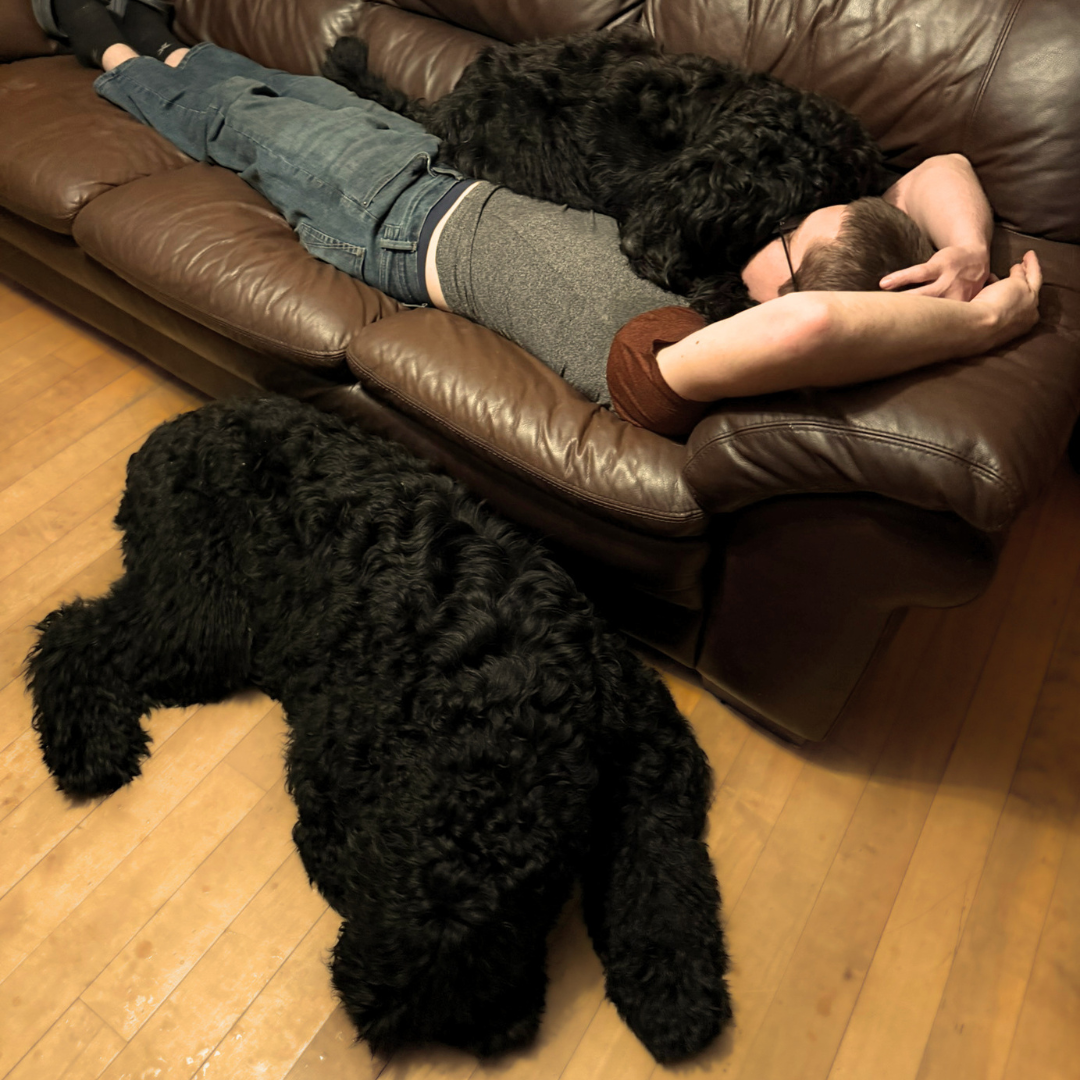
Brilliant, Funny, and Occasionally Criminal
Black Russian Terriers are intelligent enough to make impressive decisions and equally intelligent enough to create ridiculous household problems.
Doors, cabinets, routines, schedules, and human weaknesses are all information waiting to be studied.
They learn quickly, but they also notice inconsistency quickly. A BRT may understand exactly what you are asking and still pause to consider whether your request is currently worth honoring.
Life with one often includes equal parts admiration, laughter, and wondering how the dog managed to open that door.
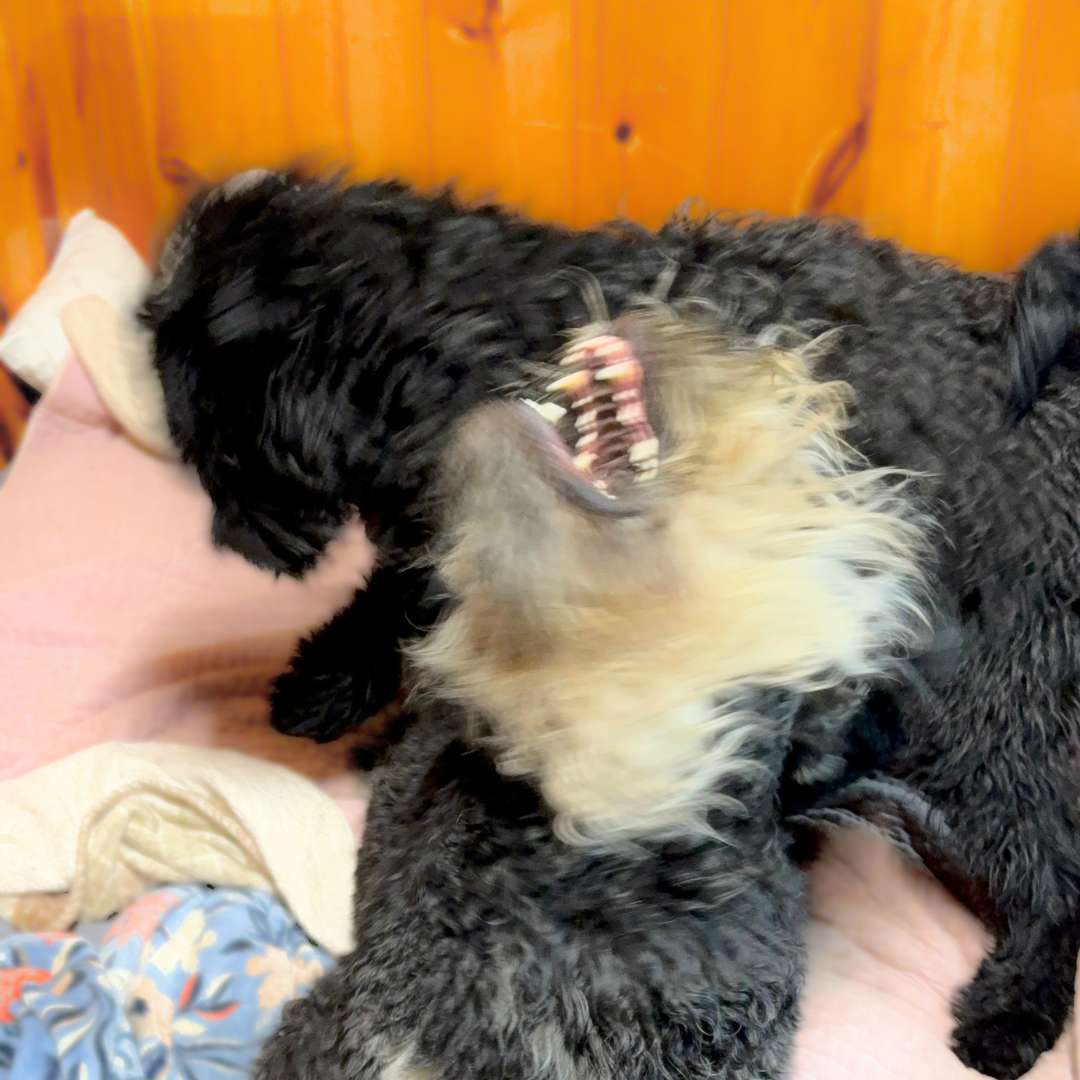
Adolescence Comes With Opinions
A young BRT is growing into a very large body while also developing the confidence and judgment expected of a guardian breed.
Adolescence may bring selective hearing, boundary testing, sudden opinions, and moments when the puppy you trained yesterday appears to have temporarily misplaced every lesson.
This stage requires patience, consistency, humor, and calm leadership. Their size may develop quickly, but maturity takes time.

Quietly Watchful
They notice the small changes most people miss.
Deeply Attached
They may not adore everyone, but their family means everything.
Full of Opinions
Their intelligence requires patience, consistency, and a healthy sense of humor.
Living with a BRT can be grounding, funny, challenging, comforting, and extraordinarily meaningful, sometimes within the same five minutes.
FAMILY LIFE WITH A BLACK RUSSIAN TERRIER
Children, Visitors, and Other Animals
Black Russian Terriers can live beautifully with children and other animals, but good relationships do not happen through wishful thinking alone. They are built through thoughtful introductions, supervision, training, and respect for the individual animals involved.
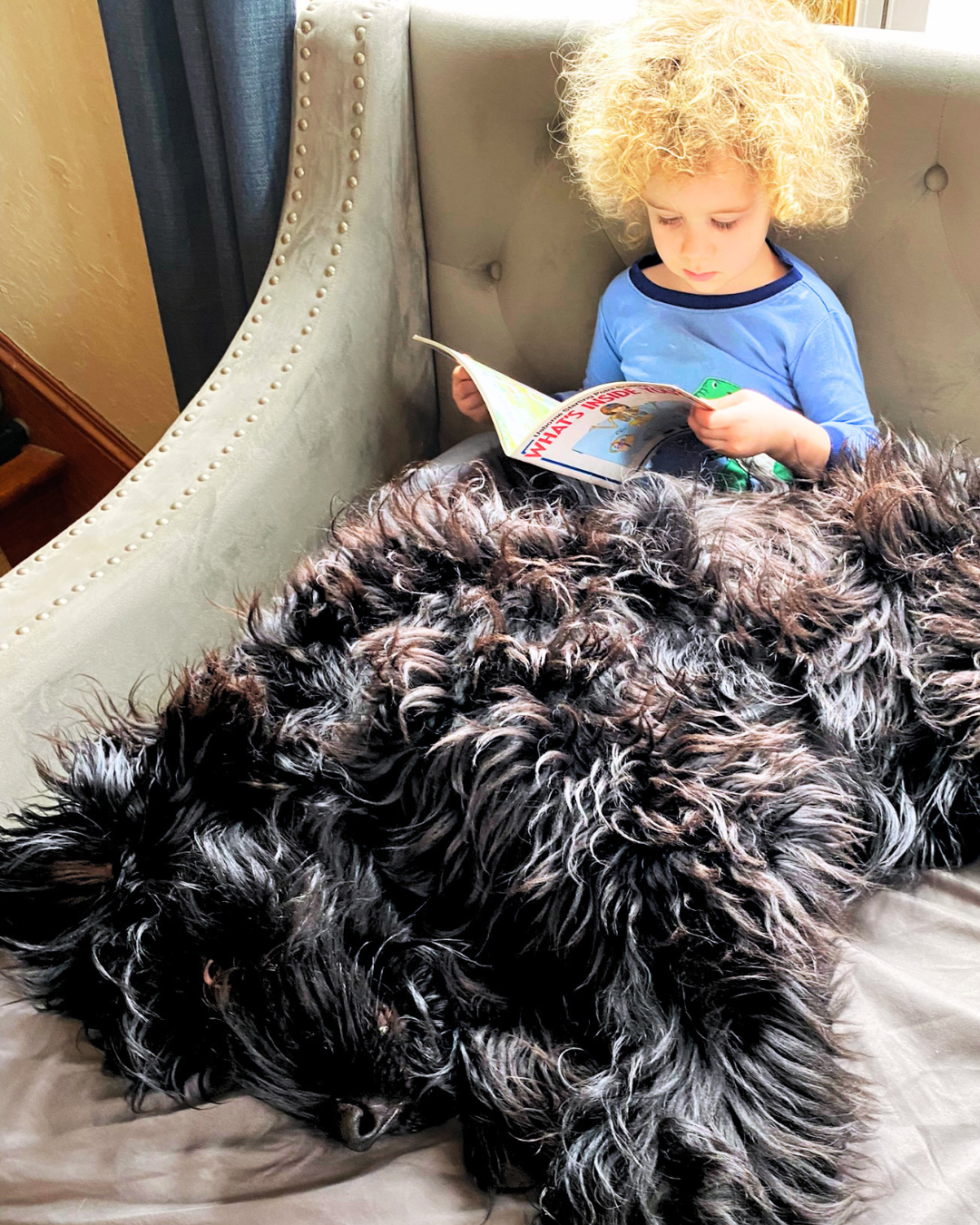
A Family Dog Still Needs Thoughtful Boundaries
Black Russian Terriers can live beautifully in busy, active homes. Our own dogs live within a household full of children, noise, movement, changing routines, and the general unpredictability that comes with real family life.
That does not mean they should be expected to quietly tolerate everything.
Children need to learn how to respect a dog’s space, body, food, rest, and belongings. Adults remain responsible for supervision, management, and stepping in before either the child or the dog becomes overwhelmed.
A good family dog is not a dog who accepts unlimited handling. It is a dog who feels safe, understood, and protected within the family.
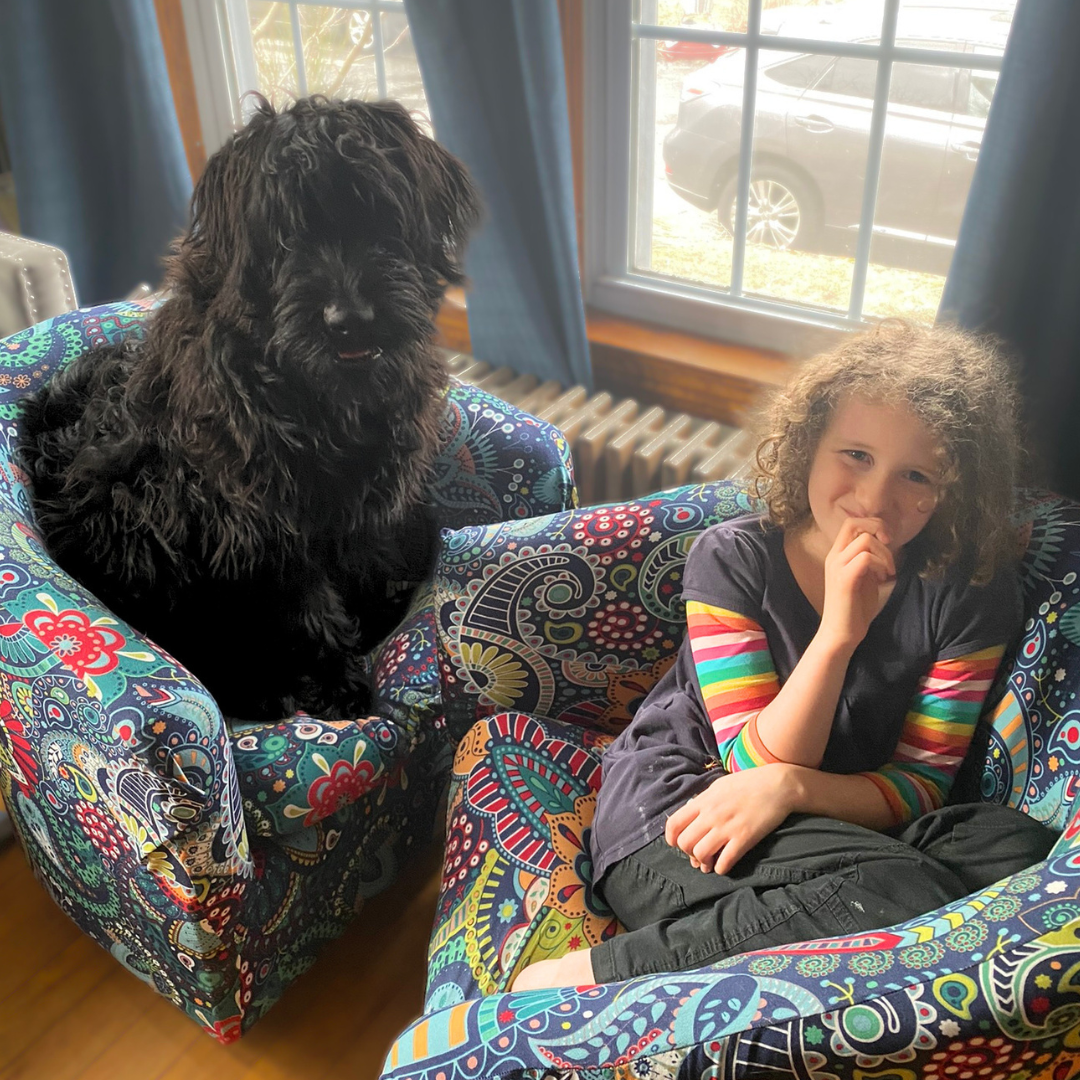
Children Need Guidance Too
A Black Russian Terrier may be patient, affectionate, and deeply bonded to the children in their home, but their size alone requires care.
Even a playful bump, excited chase, or swinging paw can knock over a small child without any bad intention behind it.
Children should be taught not to climb on dogs, disturb them while sleeping, take food or toys, crowd them into corners, or treat them like furniture. Just as we teach puppies how to live respectfully with children, we must teach children how to live respectfully with dogs.
The relationship should be built on trust, not endurance.
Visitors Are Not Automatically Family
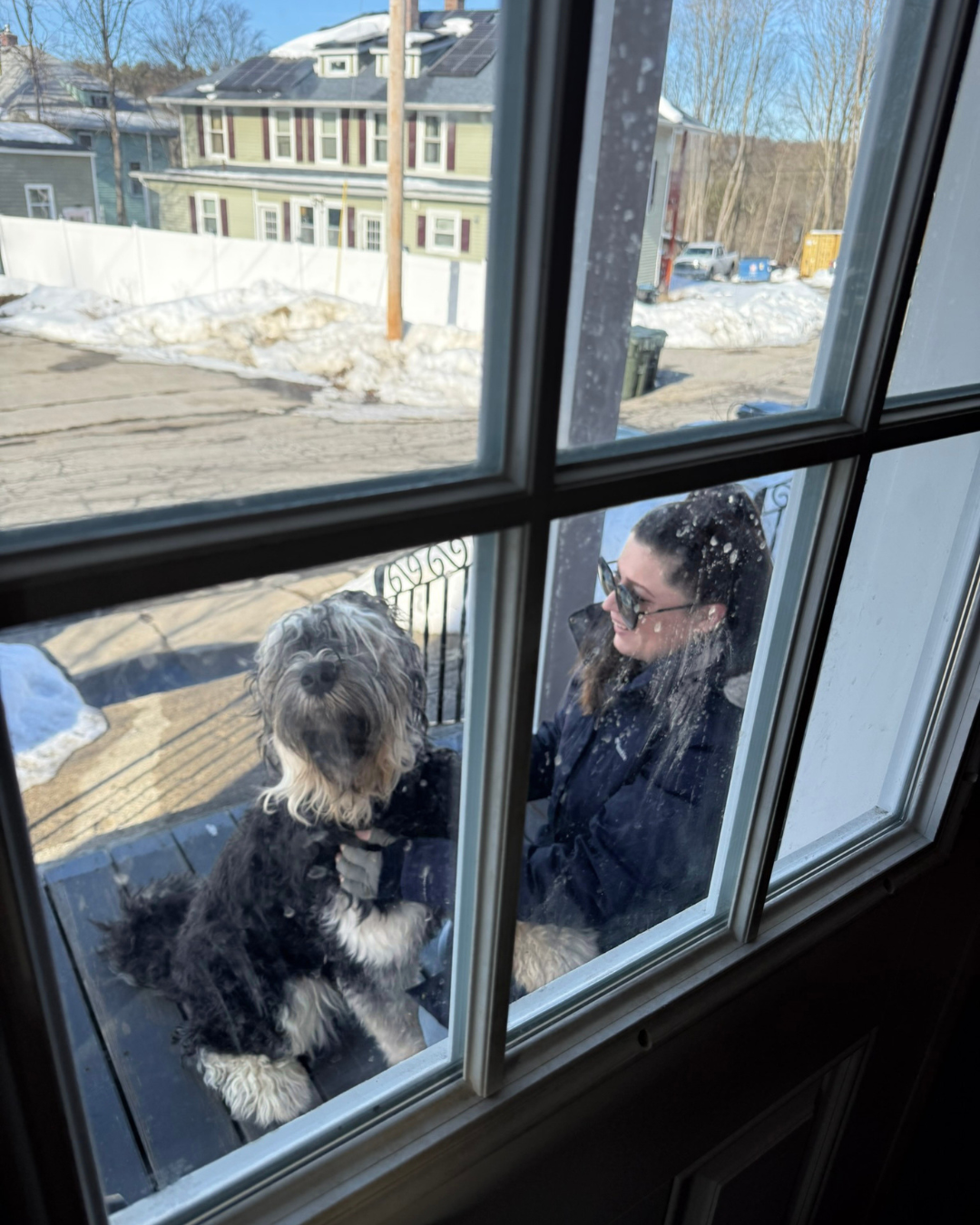
BRTs were bred to notice what is normal and what is different. A new person entering the home may matter to them, even when the family sees the visit as completely ordinary.
Thoughtful introductions help the dog understand that the visitor is welcome and that the adults are managing the situation.
Some BRTs may greet visitors openly. Others may prefer to observe before engaging, remain near their person, or choose not to interact at all.
They do not need to love everyone who enters the home. They do need to remain manageable, responsive, and able to follow their handler’s direction.
Visitors should also respect the dog’s boundaries rather than insisting on attention.
Cats and Smaller Animals
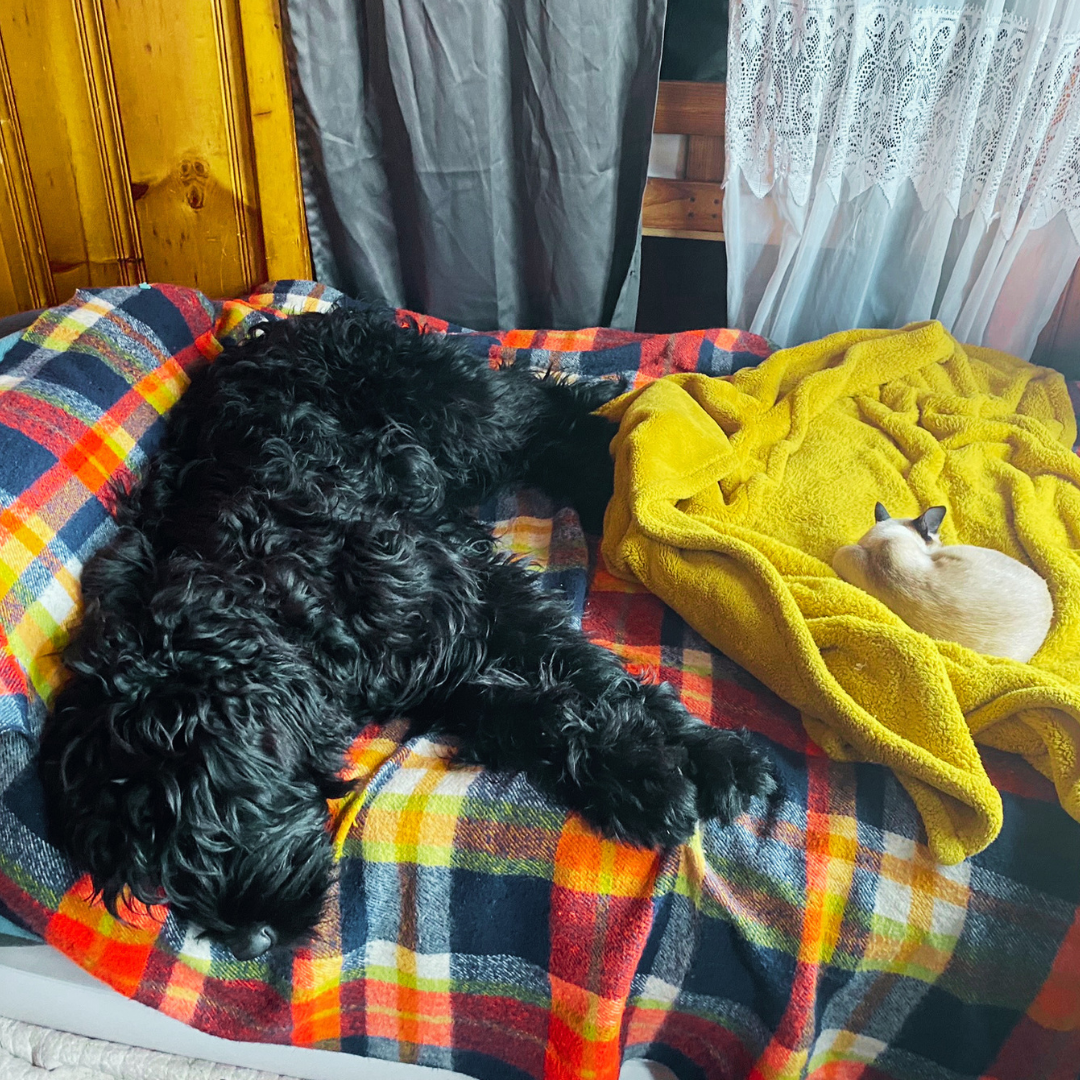
Most BRTs live peacefully with cats and smaller animals, especially when raised with them and taught clear boundaries from the beginning.
Others may have stronger chase instincts or become overly interested in fast movement.
Early exposure can help, but it does not replace supervision or good judgment. The individual dog and the individual animal matter more than any broad promise about the breed.
A breeder should evaluate temperament carefully, and families should be honest about the animals already living in their home.
Management Is Not Failure
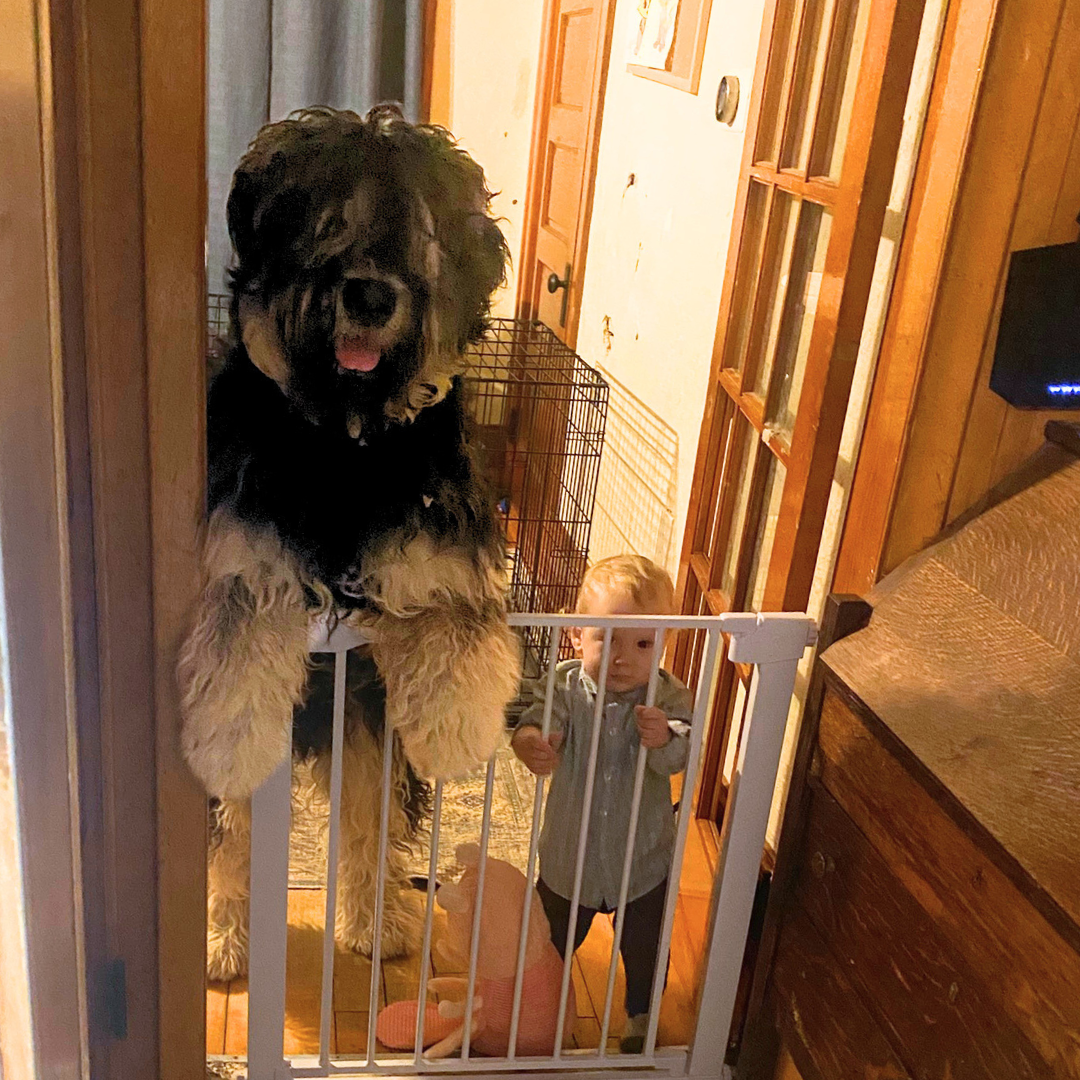
Baby gates, crates, separate feeding areas, leashes, place commands, and structured introductions are not signs that something has gone wrong.
They are tools that help everyone succeed.
Even dogs who love children, visitors, or other animals may need breaks from activity. A dog should have a quiet place where they can rest without being followed, touched, or asked to participate.
Healthy family life does not require constant access. It requires thoughtful inclusion, clear expectations, and respect for everyone sharing the home.
The Goal Is Trust
A Black Russian Terrier should not be expected to tolerate chaos without support, nor should families feel frightened of allowing them to be part of everyday life.
The goal is a dog who trusts their people to handle situations, children who understand how to behave around dogs, and a household where boundaries are clear before problems begin.
With thoughtful raising, training, supervision, and respect, a BRT can become a deeply connected part of family life without being asked to carry responsibilities that belong to the adults.